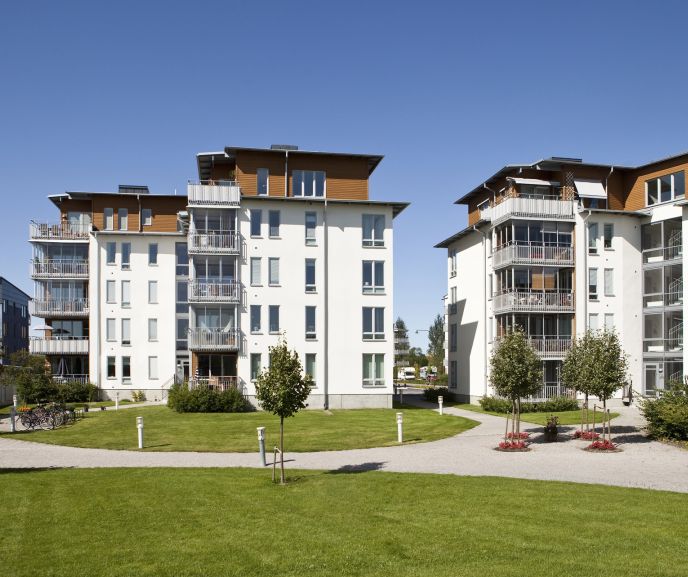
Our products
for multi-family
houses
We cover all community needs
We provide heat as needed, whether for example:
- small or large rental property,
- multi-family and multi-generational houses
- schools, sports and meeting places
- daycare and senior citizen facilities
- (veterinary) medical buildings
- and also your project
|
|
|
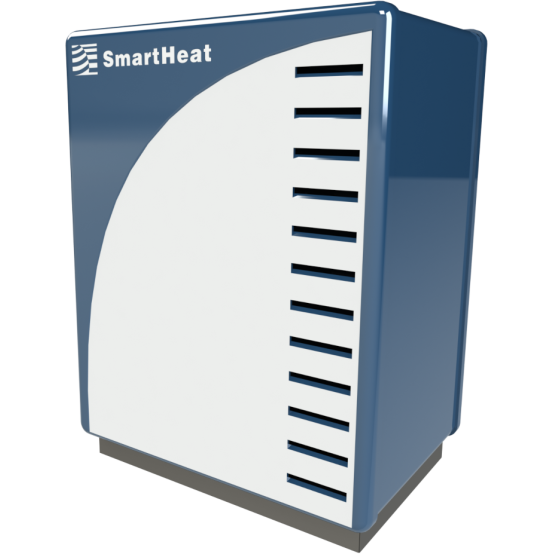
|
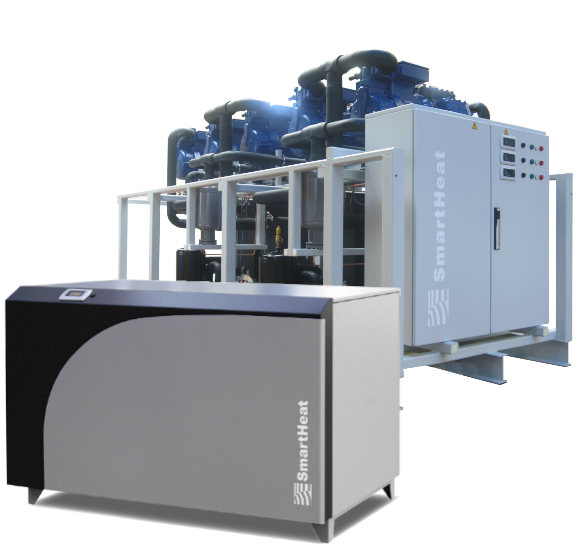
|
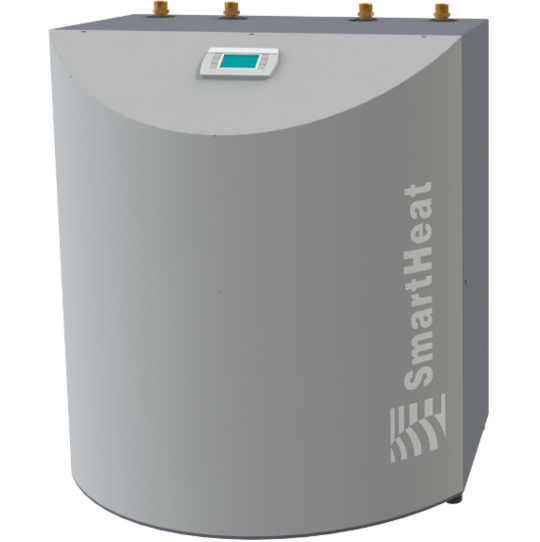
|
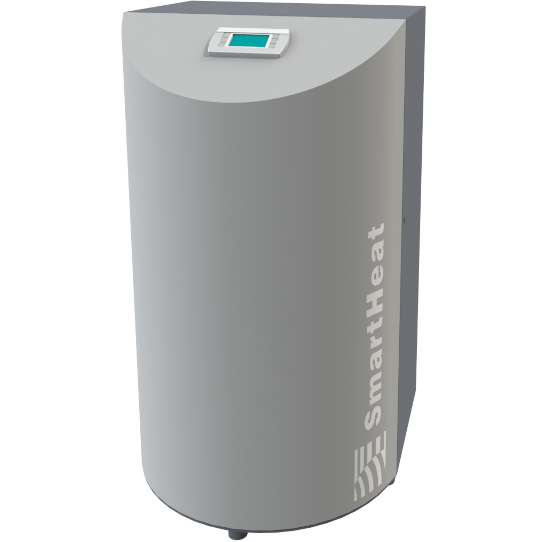
|
|
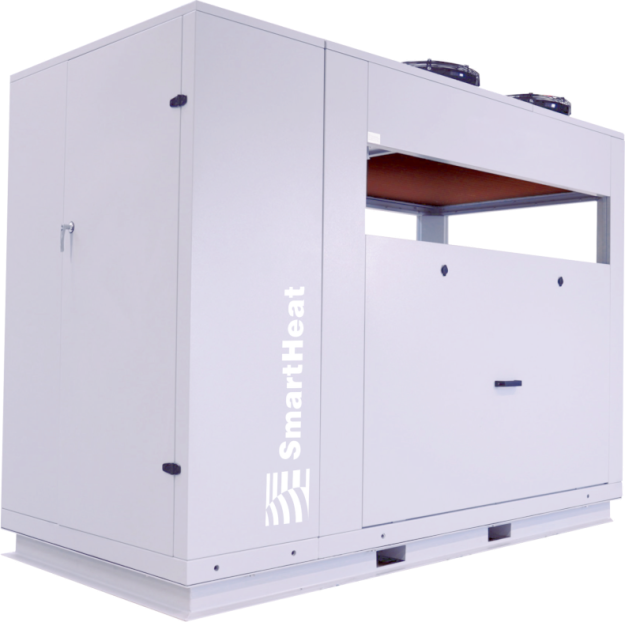
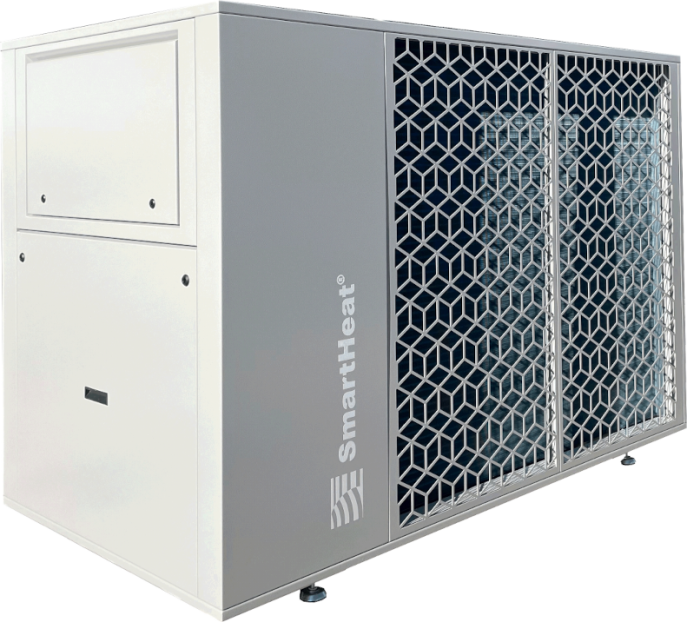
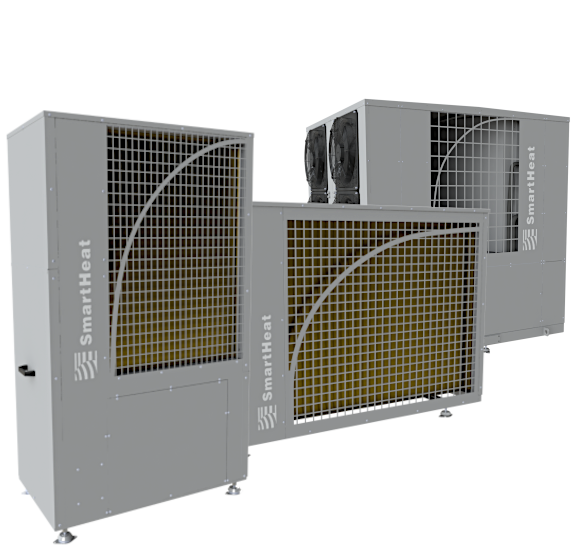
| aero move | aero nature | aero plus | OEM | Titan | classic power i | classic i | |
|
Air-to-water heat pumps Ready fast. When heat matters. |
Air-to-water heat pumps For residential complexes and district heating networks |
Air/water heat pumps For residential complexes to local heating networks |
Brine/water, water/water, air/water heat pumps For a wide range of applications |
Brine/water, water/water heat pumps For apartment buildings, commerce, industry and local heating networks |
Brine/water, water/water heat pumps For passive and ultra-low energy buildings up to multi-family houses |
Brine/water, water/water heat pumps For passive and ultra-low energy buildings up to multi-family houses |
|
| Get adviceProduct page | Get adviceProduct page | Get adviceProduct page | Get adviceProduct page | Get adviceProduct page | Get adviceProduct page | Get adviceProduct page | |
| Performance | |||||||
| - 70 kW | - 145 kW | - 176 kW | - 3000 kW | - 250 kW | - 32 kW | - 32 kW | |
| Application | |||||||
| New construction | |||||||
| Modernization | |||||||
| Single family house | - | - | - | - | |||
| Multi-family house | |||||||
| Commercial/Industrial | - | ||||||
| District heating network | - | - | |||||
| public buildings | - | - | |||||
| Heat source | |||||||
| Ground | - | - | - | ||||
| Water | - | - | - | ||||
| Air | - | - | - | ||||
| Operating mode | |||||||
| monovalent | |||||||
| bivalent/multivalent | |||||||
| fixed speed | - | - | |||||
| variable speed | |||||||
| Special function | |||||||
| High temperature > 65°C | - | - | - | ||||
| Active cooling | |||||||
| Nature cooling | - | - | - | ||||
| Energy Efficiency | |||||||
| Combi heaters or space heaters 1) | A++/XXL"A" | A+++/A+++ | A++/A++ | --- | A+++/A+++ | A+++/A+++ | |
| Combined system 2) | A++ | A+++ | A++ | --- | A++(+) | A++(+) | |
| Get adviceProduct page | Get adviceProduct page | Get adviceProduct page | Get adviceProduct page | Get adviceProduct page | Get adviceProduct page | Get adviceProduct page |
Sustainable Heat Pumps for Multi-Family Buildings – Save Costs, Increase Value
Energy is getting more expensive. Regulations stricter. Time to act. Especially in multi-family buildings, heating is becoming a challenge – and an opportunity. Heat pumps are the smart answer to gas and oil: efficient, sustainable, and future-proof. Those who switch now save ongoing costs and increase property value. Good for owners, property managers, and investors. And good for the climate anyway.
The signs point to change: While according to the Consumer Advice Center the CO₂ levy in 2025 already amounts to 55 euros per ton and makes heating oil more expensive by 17.35 cents per liter, heat pumps in multi-family buildings offer an economically attractive solution. The Building Energy Act stipulates that from mid-2028, new heating systems must use at least 65 percent renewable energy – heat pumps already fully meet this requirement today.
Why Heat Pumps Are the Right Choice Now
Owners of multi-family buildings are facing a historic opportunity: Financial incentives for switching to heat pumps have never been greater. With current subsidies of up to 70 percent of the investment costs, the initial acquisition costs can be significantly reduced. This is reported by Finanztip Consumer Information. The amount of funding depends on the number of residential units: 30,000 euros for the first residential unit, 15,000 euros for each additional unit up to the sixth.
At the same time, the operating costs of fossil systems are continuously rising: A property with 90 square meters of living space already pays 212 euros in additional CO₂ costs for oil heating in 2025. This development makes switching to heat pumps not only ecologically, but also economically, a necessity.
Modern Solutions for Complex Requirements
Technical challenges become solvable: While multi-family buildings have more complex requirements than single-family homes, modern heat pump systems offer flexible solution approaches. Central systems are particularly suitable for larger buildings and enable demand-based heat supply through cascade circuits and inverter technology. The required heating capacity is between 30 and 50 kilowatts for renovated older buildings and 80 to 120 kilowatts for unrenovated buildings per 1,000 square meters of living space.
Heat pumps improve market positioning. Modern heating technology is rewarded by tenants – through higher demand, longer tenancies, and lower vacancy risk. This leads to more stable cash flows and better sales prospects. This trend is already clearly visible, particularly in metropolitan areas such as Cologne, Düsseldorf, or Essen.
Reliable Practical Data and Documented Savings
The Nationwide Consumer Advice Center Energy Consulting provides concrete benchmarks for assessing the economic viability of heat pumps in multi-family buildings. A typical building with 1,000 square meters of heated living space requires about 40,000 kilowatt-hours annually. The amortization period is between 10 and 15 years, while government subsidies of up to 30 percent of the investment costs significantly improve economic viability. These figures are based on the long-standing consulting experience of the Consumer Advice Centers and reflect realistic expectations for German multi-family buildings.
The Federal Heat Pump Association (BWP) documents results from real projects. One example shows two multi-family buildings from 1962, each with an 80 kilowatt heating load: Before the renovation, both buildings consumed 30,000 liters of heating oil annually. After switching to modern heat pumps, a 100 square meter apartment only generates about 300 euros in electricity costs per year for heating and hot water. This transformation corresponds to a cost reduction of 50 to 60 percent compared to the original oil costs and demonstrates practical feasibility even in older existing buildings.
From Planning to Installation
The successful switch to heat pumps in multi-family buildings follows a proven 4 to 8 month schedule, which begins with professional energy consulting. The Consumer Advice Center offers government-subsidized initial consultations for only 30 euros co-payment, which enables a well-founded feasibility check and cost estimate. Subsequently, detailed planning according to VDI 4645 standard is carried out by qualified specialist planners, which costs between 1,500 and 5,000 euros and is 50 percent subsidized by the government. Approval procedures run in parallel: While air heat pumps are generally exempt from approval, geothermal drilling requires registration with the Lower Water Authority with about 4 weeks of processing time.
Installation only takes a few days for air-to-water systems and somewhat longer for geothermal heat pumps plus the drilling work. Optimal installation periods are spring and autumn, as moderate temperatures facilitate both the work and the initial function tests. The successful project team consists of certified energy consultants, VDI 4645-qualified specialist planners, and specialized installers who together ensure compliant implementation. The final hydraulic balancing significantly optimizes system efficiency and is essential for maximum cost savings.
Maintenance and Monitoring: The Basis for Long-Term Success
Modern heat pumps in multi-family buildings require annual maintenance intervals, whereby maintenance of geothermal heat pumps tends to be in the upper range due to brine testing. Smart home integration with energy management enables continuous monitoring of the seasonal performance factor and automatic operational optimization. Intelligent systems use sensors for temperatures, presence, and PV yield to optimize operation and can reduce electricity consumption by up to 15 percent. The combination with photovoltaic systems in particular increases the self-consumption share to up to 70 percent, while energy-sharing solutions make solar power directly usable for the heat pump and households without complex tenant electricity contracts.
The correct heating curve setting is crucial for efficient operation – if it is too high, the heat pump operates with unnecessarily high temperatures, if it is too low, rooms are not heated sufficiently. Noise problems often arise from unfavorable placement – while purely residential areas allow a maximum of 35 decibels at night, sound insulation measures and inverter technology can significantly reduce noise emissions. Legal clarity for landlords: For modernization measures, 8 percent of the investment costs can be passed on to the rent annually – for a 30,000 euro investment, this corresponds to 200 euros per month. Transparent communication with tenants about long-term cost advantages and the use of maintenance contracts for cost stability are important. In the event of longer outages, the landlord generally bears the additional costs for emergency operation but can assert claims for damages against service companies if unavoidability is proven.
Your Path to a Successful Heat Pump
The time to switch to heat pumps in multi-family buildings has never been more favorable: Subsidies of up to 70 percent of investment costs, operating cost savings of between 20 and 60 percent, and amortization periods of 7 to 15 years make the decision economically attractive. Independent studies by Fraunhofer ISE confirm technical feasibility in 75 percent of all German residential buildings, while structured project workflows according to VDI 4645 standard ensure planning certainty. Your next step begins with on-site consulting including feasibility check, cost estimate, and recommendations for action. Make your heat pump project a safe investment.